
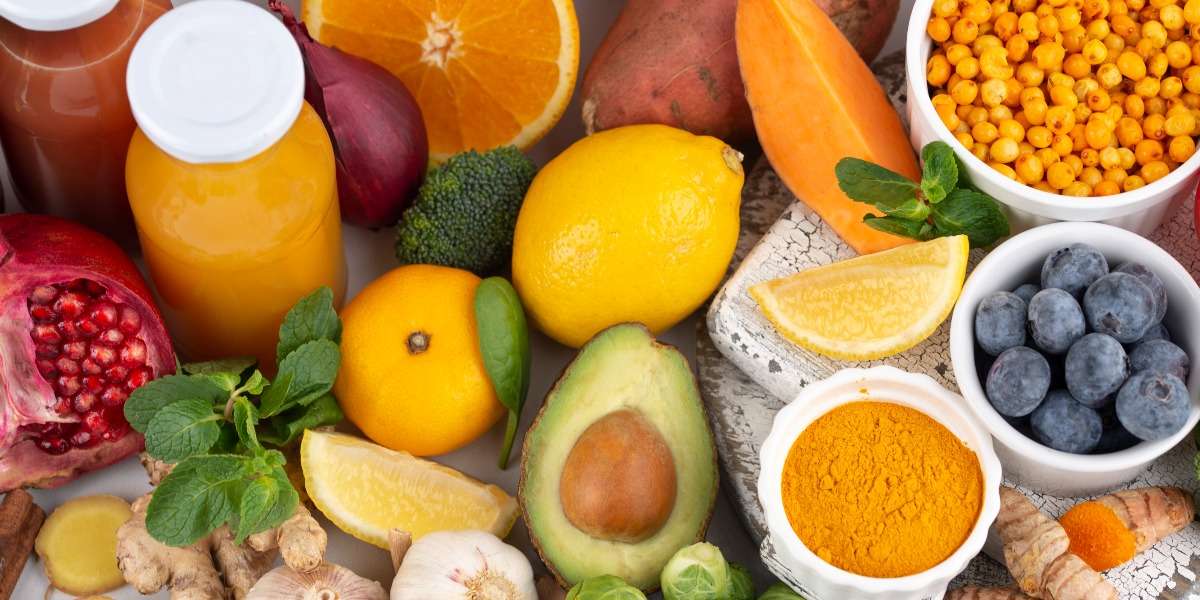
Alpha-lipoic acid (ALA) is an antioxidant with various benefits for health. It helps your body turn food into energy, protects your cells from oxidative damage, and even supports skin, nerve, and metabolic health.
While your body produces small amounts of ALA naturally, many people wonder: Can you get enough ALA from the foods you eat?
Here’s what you need to know about dietary ALA, the best food sources, and why some opt for an extra boost with an IV drip therapy.
What Exactly Are the Benefits of ALA?

Before diving into the food sources, let’s recap what makes ALA so special:
- It neutralizes harmful free radicals throughout your body, working in both water- and fat-based tissues.
- It helps recycle other antioxidants like vitamins C and E.
- It supports nerve health and glucose metabolism.
- It’s even been linked to improved skin appearance and reduced inflammation.
With all these benefits, it’s no surprise more people are interested in increasing their ALA intake.
Top ALA Food Sources

You can find alpha-lipoic acid in several common foods, though usually in modest amounts. Here are some of the best natural sources:
- Red meat
Beef, particularly lean cuts, contains small amounts of ALA. Organ meats like liver also contain ALA. - Vegetables
Some vegetables also provide trace amounts, particularly spinach, broccoli, Brussels sprouts, tomatoes, and peas - Rice bran and brewer’s yeast
These are less common in typical diets but are noted for their ALA content. - Potatoes and carrots
Starchy vegetables can contribute a little to your ALA intake as well.
So… Is Diet Enough?
While these foods can help, the ALA content in even the richest sources is quite low compared to the doses used in research or found in supplements and IV drips. For example, 100 grams of beef kidney contains around 2.64 milligrams of ALA. By contrast, studies on ALA’s benefits often use doses of 300–600 milligrams per day.
For therapeutic purposes, whether to support nerve health, fight oxidative stress, or improve skin, many people turn to ALA supplements or IV therapy.
Why Consider an Alpha-Lipoic Acid (ALA) IV Drip?
Taking ALA orally or through food has its limitations. ALA is absorbed through the digestive system, but much of it is broken down before it reaches your cells.
On the other hand, an IV drip delivers ALA directly into your bloodstream, bypassing the gut and ensuring maximum bioavailability. That means your body can use it more effectively and you feel the benefits faster.
If you’re looking for targeted support, whether for recovery, energy, skin health, or antioxidant protection, getting an ALA drip can be a game-changing addition to your wellness routine.
Final Thoughts
Eating a balanced diet full of leafy greens, lean proteins, and whole grains is a great foundation for health, and it gives your body small amounts of ALA to work with. But if you’re aiming for higher levels of this powerful antioxidant to support specific health goals, food alone may not be enough.
Curious about how an Alpha-Lipoic Acid IV drip could help you feel your best? For those in Melbourne, Vital IV makes it simple and comfortable to give your body what it needs, when it needs it most. Book your ALA session today and discover the difference!