
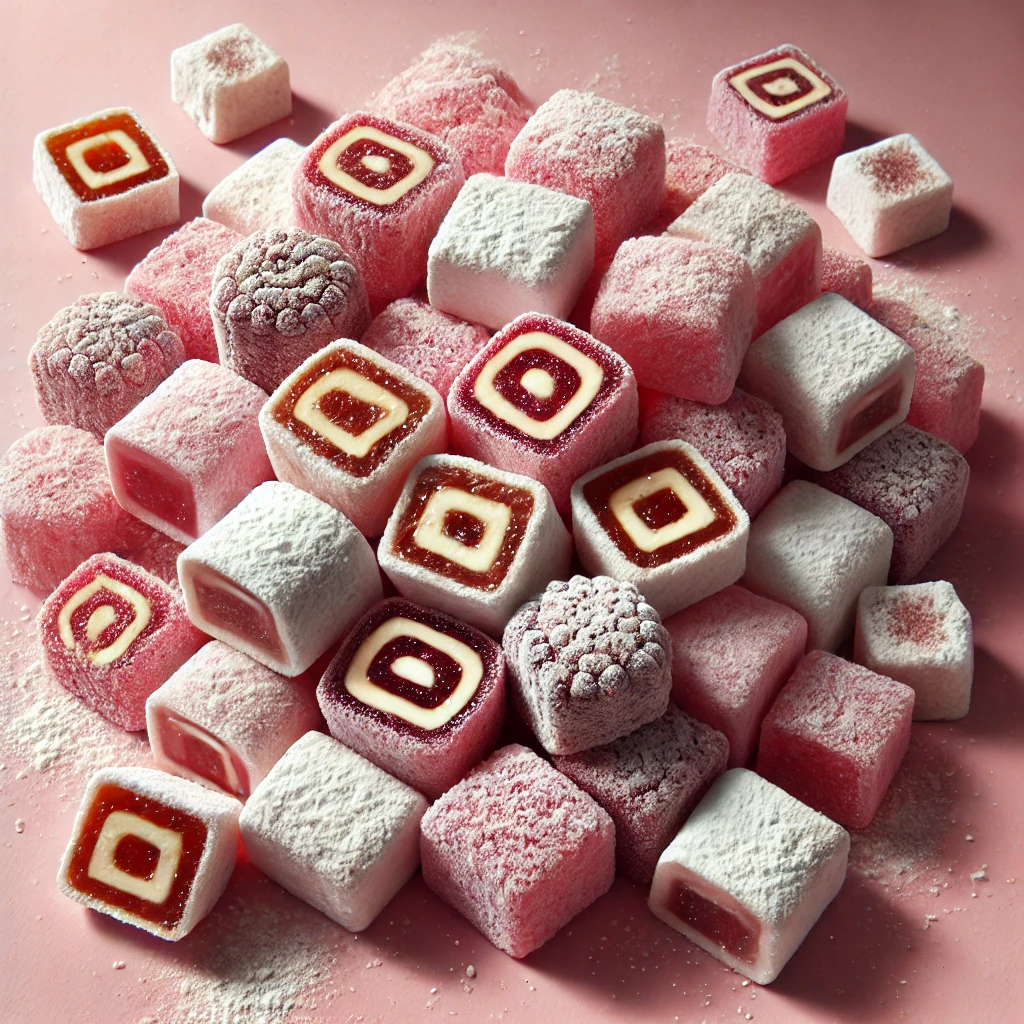
Turkish Delight, known as “lokum” in Turkey, is a confectionery that dates back to the Ottoman Empire, where it was a favorite in royal courts. Traditionally flavored with rose, lemon, and mint, this gelatinous treat has captivated taste buds around the world. However, beyond these well-known varieties, there are lesser-known flavors that offer a unique twist on this classic delicacy. Let’s explore some of the most intriguing and unheard-of flavors of Turkish Delight that are waiting to be discovered.
1. Lavender and Honey
Lavender, often associated with calm and relaxation, brings a floral and slightly herbal note to Turkish Delight. When combined with honey, it creates a delicate balance of sweet and aromatic, making each bite a soothing experience. This combination is particularly popular in artisanal sweet shops that focus on infusing local flora into their confections. The result is a treat that not only tastes good but also evokes the fragrant fields of lavender in full bloom.
2. Saffron and Pistachio
Saffron, the world’s most expensive spice, is a luxurious addition to Turkish Delight. Its deep, earthy flavor paired with the crunchy nuttiness of pistachios makes for a complex and satisfying treat. The golden hue of saffron also adds a visual richness to the delicacy, making it a popular choice for special occasions. Saffron and pistachio Turkish Delight is often seen as a symbol of wealth and generosity, making it a perfect gift for someone you want to impress.
3. Pomegranate and Walnut
Pomegranate is a fruit that holds significant cultural importance in Turkey, symbolizing fertility and abundance. When its tartness is combined with the rich, buttery flavor of walnuts, the result is a Turkish Delight that is both sweet and tangy with a satisfying crunch. This combination is particularly popular in the southeastern regions of Turkey, where pomegranate orchards are abundant. The vibrant red color of pomegranate adds to the visual appeal, making it a feast for both the eyes and the palate.
4. Rosemary and Sea Salt
For those who prefer a savory twist to their sweets, the combination of rosemary and sea salt offers a unique take on Turkish Delight. The herbaceous flavor of rosemary pairs surprisingly well with the sweetness of the confection, while the sea salt adds a touch of brininess that elevates the entire experience. This flavor profile is a hit among those who enjoy the juxtaposition of sweet and savory in their desserts. It’s a modern interpretation of a traditional treat, perfect for adventurous foodies.
5. Orange Blossom and Almond
Orange blossom, with its sweet and citrusy aroma, is a delicate flavor that brings a touch of the Mediterranean to Turkish Delight. Paired with the subtle nuttiness of almonds, it creates a light and refreshing confection that is perfect for warm days. This flavor is often found in coastal regions, where orange groves are abundant, and is a favorite among those who prefer their sweets to be on the lighter side.
Conclusion
Turkish Delight is more than just a sweet treat; it’s a cultural experience that reflects the rich and diverse history of Turkey. While the traditional flavors are beloved classics, these unheard-of varieties offer a new and exciting way to enjoy this ancient confection. Whether you’re drawn to the floral notes of lavender and honey, the luxurious taste of saffron and pistachio, or the savory surprise of rosemary and sea salt, there’s a Turkish Delight flavor out there to suit every palate. So next time you’re in the mood for something sweet, why not venture beyond the familiar and explore these unique and delightful flavors?